

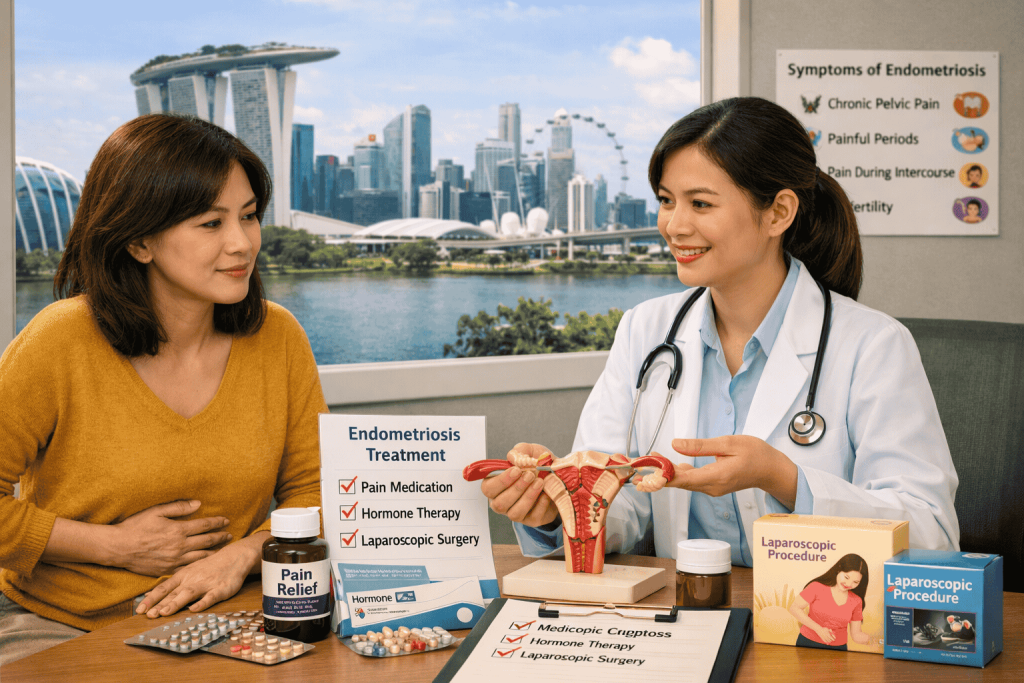
Endometriosis is a common yet often misunderstood condition that affects millions of women worldwide. It occurs when tissue similar to the lining of the uterus grows outside the uterus, leading to chronic pain, heavy menstrual bleeding, and, in some cases, fertility challenges. Fortunately, advances in endometriosis treatment in Singapore have made it possible to diagnose the condition earlier and manage symptoms more effectively than ever before.
This guide explains what endometriosis is, its symptoms, available treatment options, and how women can find the right care in Singapore in 2026.
What Is Endometriosis?
Endometriosis is a long-term gynecological condition in which tissue resembling the uterine lining grows on the ovaries, fallopian tubes, pelvic lining, bladder, bowel, or other pelvic organs. Like the uterine lining, this tissue responds to hormonal changes during the menstrual cycle. However, because it cannot leave the body, it may cause inflammation, scarring, adhesions, and persistent pain.
While endometriosis can affect women of any reproductive age, early diagnosis and treatment often lead to better symptom control and improved quality of life.
Common Symptoms of Endometriosis
Symptoms can vary from mild to severe, and some women may have endometriosis without noticeable symptoms.
Common signs include:
- Severe menstrual cramps
- Chronic pelvic pain
- Pain during or after sexual intercourse
- Heavy or prolonged menstrual bleeding
- Pain during bowel movements or urination, especially during menstruation
- Lower back pain
- Bloating and digestive discomfort
- Fatigue
- Difficulty becoming pregnant
If these symptoms interfere with your daily activities, it is important to seek medical evaluation promptly.
Causes and Risk Factors
The exact cause of endometriosis remains unclear, but several factors may contribute to its development, including:
- Family history of endometriosis
- Early onset of menstruation
- Short menstrual cycles
- Heavy menstrual bleeding
- Hormonal imbalances
- Immune system dysfunction
- Retrograde menstruation
Having one or more risk factors does not necessarily mean you will develop endometriosis, but it may increase your likelihood.
Why Early Diagnosis Matters
Many women experience symptoms for years before receiving a diagnosis. Early detection offers several advantages:
- Better pain management
- Slower progression of the disease
- Reduced risk of complications
- Preservation of fertility where possible
- Improved emotional well-being
- More treatment options before extensive disease develops
Seeking medical advice early can help prevent symptoms from significantly affecting work, relationships, and daily life.
How Endometriosis Is Diagnosed
Your gynecologist will begin by reviewing your symptoms and medical history. Depending on your condition, diagnostic steps may include:
Pelvic Examination
A physical examination helps identify tenderness, cysts, or abnormalities within the pelvis.
Ultrasound Scan
Ultrasound imaging can detect ovarian cysts related to endometriosis and assess pelvic anatomy.
MRI Scan
Magnetic Resonance Imaging (MRI) may be recommended for more detailed evaluation, especially if deep infiltrating endometriosis is suspected.
Laparoscopy
Laparoscopy remains the gold standard for confirming endometriosis. During this minimally invasive procedure, a small camera is inserted through tiny abdominal incisions, allowing the surgeon to diagnose and often treat endometriosis during the same operation.
Treatment Options Available in Singapore
Treatment is personalized according to your age, symptoms, disease severity, and future pregnancy plans.
Pain Management
For women with mild symptoms, pain relief medications may help reduce menstrual discomfort and pelvic pain.
Hormonal Therapy
Hormonal treatments help reduce estrogen stimulation, slowing the growth of endometriosis tissue and relieving symptoms.
Common options include:
- Combined oral contraceptive pills
- Progestin therapy
- Hormonal intrauterine devices (IUDs)
- Gonadotropin-releasing hormone (GnRH) therapies, when appropriate
Your doctor will recommend the most suitable option based on your medical history and treatment goals.
Minimally Invasive Surgery
Laparoscopic surgery is widely used to remove or destroy endometriosis tissue while preserving healthy organs whenever possible.
Surgery may be recommended for women who:
- Experience severe pain
- Do not respond to medication
- Have ovarian endometriomas
- Wish to improve fertility in selected cases
Modern minimally invasive techniques generally result in smaller incisions, less postoperative discomfort, and quicker recovery compared with traditional open surgery.
Fertility Support
Some women with endometriosis experience difficulty conceiving. Depending on individual circumstances, your specialist may recommend:
- Fertility assessment
- Ovulation monitoring
- Surgical treatment to improve pelvic anatomy in selected patients
- Referral to assisted reproductive technologies, such as in vitro fertilization (IVF), when appropriate
Lifestyle Changes That Support Treatment
Medical treatment is often complemented by healthy lifestyle habits.
Helpful strategies include:
- Following a balanced diet rich in fruits, vegetables, and whole grains
- Exercising regularly
- Managing stress through mindfulness or relaxation techniques
- Prioritizing quality sleep
- Maintaining a healthy weight
- Avoiding smoking
- Limiting alcohol intake where appropriate
While lifestyle changes cannot cure endometriosis, they may help improve overall well-being and symptom management.
Can Endometriosis Be Cured?
Currently, there is no permanent cure for endometriosis. However, many women successfully control their symptoms through a combination of medication, surgery when indicated, and ongoing medical follow-up.
The goal of treatment is to:
- Relieve pain
- Slow disease progression
- Improve fertility when desired
- Enhance quality of life
- Reduce recurrence as much as possible
Regular follow-up appointments allow treatment plans to be adjusted as symptoms and life goals change.
When Should You See a Specialist?
Arrange a consultation if you experience:
- Severe menstrual pain that limits daily activities
- Chronic pelvic pain
- Pain during sexual intercourse
- Heavy menstrual bleeding
- Difficulty becoming pregnant
- Symptoms that do not improve with over-the-counter pain relief
- Persistent pelvic discomfort despite previous treatment
Early assessment often leads to earlier diagnosis and more effective management.
Choosing the Right Endometriosis Specialist in Singapore
Selecting an experienced gynecologist is an important step in managing endometriosis.
Consider a specialist who provides:
- Expertise in diagnosing and treating endometriosis
- Access to advanced imaging and minimally invasive surgery
- Personalized treatment plans
- Fertility counseling when needed
- Long-term follow-up and symptom management
- Clear communication and patient education
A multidisciplinary approach may also involve pain specialists, fertility experts, physiotherapists, and other healthcare professionals depending on individual needs.
Frequently Asked Questions
Is endometriosis the same as painful periods?
No. Although painful periods are common, severe or worsening menstrual pain—especially when accompanied by other symptoms—may indicate endometriosis and should be evaluated by a healthcare professional.
Can I become pregnant if I have endometriosis?
Yes. Many women with endometriosis conceive naturally, while others may benefit from fertility treatments depending on the severity of the condition.
Does surgery permanently cure endometriosis?
Surgery can significantly reduce symptoms and remove visible endometriosis tissue, but recurrence is possible. Long-term management and follow-up remain important.
Is endometriosis a lifelong condition?
Endometriosis is generally considered a chronic condition, but symptoms can often be managed effectively with individualized treatment.
Final Thoughts
Endometriosis can have a significant impact on physical health, emotional well-being, and fertility, but timely diagnosis and appropriate care can make a meaningful difference. Advances in endometriosis treatment in Singapore in 2026 provide women with access to comprehensive diagnostic services, modern medical therapies, minimally invasive surgical techniques, and personalized treatment plans.
If you experience persistent pelvic pain, unusually painful periods, or fertility concerns, don’t ignore the symptoms. Consulting an experienced gynecologist early can help you receive an accurate diagnosis, explore the most suitable treatment options, and take proactive steps toward better long-term health.